What Is Dry White Wine? (Best Types for Cooking & Drinking in 2026)
Quick Answer: Dry white wine has little to no residual sugar — under 10 grams per liter — because fermentation runs until most or all of the grape sugar converts to alcohol. Common types include Sauvignon Blanc, Chardonnay, Pinot Grigio, Albariño, and Grüner Veltliner. Beyond the table, select bottles like white Burgundy and Screaming Eagle Sauvignon Blanc have shown genuine investment-grade price appreciation.
With their high acidity and citrus flavor, dry whites make a perfect summer drink and can add real depth to the blandest of dishes. This guide covers everything about dry white wine — from Chardonnay to Albariño and the styles in between — the best bottles for cooking and drinking, grape varieties and food pairings, and why some of the finest dry whites are genuine investment opportunities.
Further reading
- Here's a complete White Wine Guide covering grape varieties, winemaking steps, the best bottles to buy, and more.
- Wondering how you can store your favorite dry wine bottles? Don't miss our complete Wine Storage Guide.
- If you want to sell some rare bottles from your collection, check out tips on How to Sell Wine in 2024!
What Is Dry White Wine?
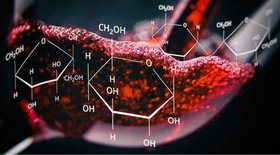
A dry white is any white wine with little to no residual sugar. This minimal sweetness comes from the grapes' naturally low sugar levels and the winemaking process — during fermentation, yeast converts grape sugar to alcohol, and if the winemaker lets fermentation run its course, the result is dry. Stopping fermentation early leaves residual sugar behind, producing a sweeter wine.
|
Sweetness Level |
Residual Sugar |
|---|---|
| Bone Dry | Under 1 g/L |
| Dry | 1–10 g/L |
| Off-Dry | 10–30 g/L |
| Sweet / Dessert Wine | Over 30 g/L |
Best Dry White Wines for Cooking
Different dishes call for different dry whites. Here's what to reach for:
| Dish Type |
Best Dry Whites to Use |
|---|---|
| Vegetable dishes & creamy desserts |
Sauvignon Blanc, Pinot Grigio, dry Vermouth, unoaked Chardonnay, Grüner Veltliner, Verdejo |
| Soups, stews & creamy sauces | Albariño, dry Sherry |
| Chicken & veal | Dry Marsala, Madeira |
| Pork, lamb, turkey & cream dishes | Prosecco, Moscato |
| Beef dishes | Madeira, Fino, Manzanilla |
| Seafood |
Pinot Grigio, Vinho Verde, Colombard, Verdicchio, Picpoul de Pinet |
A few cooking tips worth remembering: don't cook with anything you wouldn't drink (cheap wine won't add flavor, and expensive wine's subtlety burns off in the heat), always cook off the alcohol before serving, store leftover wine corked in the fridge, and use non-reactive cookware like stainless steel.
11 Types of Dry White Wine
Bone-Dry Whites
- Chardonnay — unoaked is chalky and crisp; oaked brings buttery, vanilla notes. Grown widely in Burgundy, the US, Australia, and Italy.
- Sauvignon Blanc — high acidity with herb, grass, gooseberry, and bell pepper notes. Produced in the US, New Zealand, France, Italy, South Africa, and Chile.
- Muscadet — a light, crisp Loire Valley wine from Melon de Bourgogne grapes, with lemon, lime, and green apple notes.
- Albariño — medium-high acidity with citrus and a slightly bitter green almond note. Widely grown in Spain's Rías Baixas and Portugal's Vinho Verde region.
- Torrontés — fresh peach and apricot aroma with a smooth texture, from Argentina's La Rioja and Salta regions.
Semi-Dry Whites
- Riesling — German in origin, used for both dry and sweet styles; dry Riesling has intense floral aroma and high acidity.
- Pinot Grigio (Pinot Gris) — light, crisp, and citrusy; widely produced in Italy's Veneto, Friuli-Venezia Giulia, and Trentino-Alto Adige.
- Pinot Blanc — high acidity with sour cherry and citrus notes, often blended with Chardonnay for dry sparkling wine.
- Viognier — full-bodied with tangerine, peach, and honeysuckle aromas; the only grape permitted in France's Condrieu.
- Grüner Veltliner — Austria's signature grape, crisp and spicy with lime, lemon, and white pepper notes.
- Semillon — light-to-medium bodied with a waxy texture and white flower aromas; also blended into oaked Sauternes.
10 Best Dry White Wines to Buy in 2026
| Bottle | Region | Price |
|---|---|---|
| Cloudy Bay Te Koko Sauvignon Blanc | Marlborough, New Zealand | $38–$45 |
| Domaine Hamelin Beauroy, Chablis Premier Cru | Burgundy, France | $22–$28 |
| Markus Molitor Bernkasteler Doctor Riesling Auslese Trocken | Mosel, Germany | $1,500–$1,800 |
| Domaine François Raveneau Montée de Tonnerre, Chablis Premier Cru | Burgundy, France | $650–$780 |
| Louis Jadot Bâtard-Montrachet Grand Cru | Côte de Beaune, France | $420–$520 |
| Leroy Domaine d'Auvenay Bourgogne Aligoté Sous Châtelet | Burgundy, France | $4,500–$6,500 |
| Screaming Eagle Sauvignon Blanc | Oakville, USA | $5,000–$7,500 |
| Emmanuel Houillon (Pierre Overnoy) Arbois-Pupillin Chardonnay | Jura, France | $650–$800 |
| Dario Princič Pinot Grigio, Venezia Giulia IGT | Friuli-Venezia Giulia, Italy | $40–$48 |
| Moulin Touchais Coteaux du Layon | Loire Valley, France | $48–$58 |
Should You Invest in Dry White Wine?
Some exceptional dry whites — Grand Cru white Burgundy and rarities like the Screaming Eagle Sauvignon Blanc among them — are genuinely favored by serious collectors. White Burgundy can age 15+ years, while styles like Chenin Blanc cellar comfortably for 5–10 years. The finest examples have shown real price appreciation: Leroy Domaine d'Auvenay's rare Bourgogne Aligoté, for instance, has traded well above its release price as allocations have tightened in recent years.
To invest in dry white wine through Vinovest: sign up, complete a short questionnaire on your risk appetite and goals, and fund your account — the current minimum is $5,000. Vinovest sources, authenticates, stores, and insures your bottles, and its annual fee runs 2.5% (1.9% for portfolios over $50,000), with tax advantages from VAT- and excise-free bonded warehouse storage.
Food Pairing With Dry White Wine
Dry whites pair beautifully with fish, poultry, salads, and cream-based sauces and dips — Viognier in particular suits seafood well. Avoid pairing dry whites with soft cheese; save that pairing for dry reds or wines with more residual sugar.
How to Store Dry White Wine
- Temperature: 45–55°F (7–13°C); avoid storing above 70°F (21°C), which ages the wine prematurely.
- Light: Keep away from direct sunlight or bright artificial light.
- Humidity: Maintain around 70% to keep corks from drying out.
- Position: Store bottles horizontally to keep the cork moist.
- Separation: Keep away from strong-smelling foods that can taint the wine.
Frequently Asked Questions
What makes a wine dry?
"Dry" refers to the absence of sweetness — the wine has little to no residual sugar because fermentation was allowed to run until most or all of the grape sugar converted to alcohol. Acidity, tannin, and alcohol level can also affect how dry a wine tastes.
Which white wine is the driest?
Bone-dry Riesling is often considered the driest style, thanks to the grape's naturally high acidity. Sauvignon Blanc, Pinot Grigio, and Albariño are also reliably dry.
Which dry white wines can substitute for each other in cooking?
Sauvignon Blanc, Pinot Grigio, and Albariño are interchangeable light, crisp options. Chardonnay and Chenin Blanc work as substitutes when a recipe calls for more body and richness. Dry Vermouth can stand in for most dry whites and adds subtle herbal complexity.
What's the best way to store dry white wine?
Store bottles horizontally in a cool, dark place at 45–55°F (7–13°C) with around 70% humidity, away from light and strong odors.
Is dry white wine a good investment?
Select examples are — particularly Grand Cru white Burgundy and rare California Sauvignon Blanc like Screaming Eagle's. Most everyday dry whites are made for near-term drinking rather than long-term cellaring.